
Discover remote AI agent developer jobs, essential skills, key responsibilities, and how to land a remote AI role.


When it comes to ai agent development company in bangalore, getting the fundamentals right matters. Did you know that Bangalore, often referred to as the “Silicon Valley of India,” is teeming with tech startups and houses some top-tier AI agent development companies? Seriously, it’s a buzzing hub for innovation where businesses are leveraging AI to automate tasks, enhance customer interactions, and analyze data like nobody’s business.
Table of Contents
Today, to the vibrant AI scene in Bangalore, zeroing in on firms that are setting global benchmarks in AI agent development. At PixlerLab, we’ve had the chance to work with some of these trailblazers, and believe me, the impact of AI agents is nothing short of transformative. Why is Bangalore such a magnet for tech innovation? It’s the perfect storm of strategic location, having plenty of tech parks, and a conducive environment for both startups and established firms. The city is this melting pot of talent, capital, and passion that grabs global attention with a solid ecosystem supporting AI research and development.
Plus, the infrastructure here’s like a dream for tech entrepreneurs, filled with incubators and accelerators that foster a strong culture of collaboration. Government initiatives further bolster the city’s status as India’s AI capital. The entrepreneurial spirit here? Unmatched, pretty much.
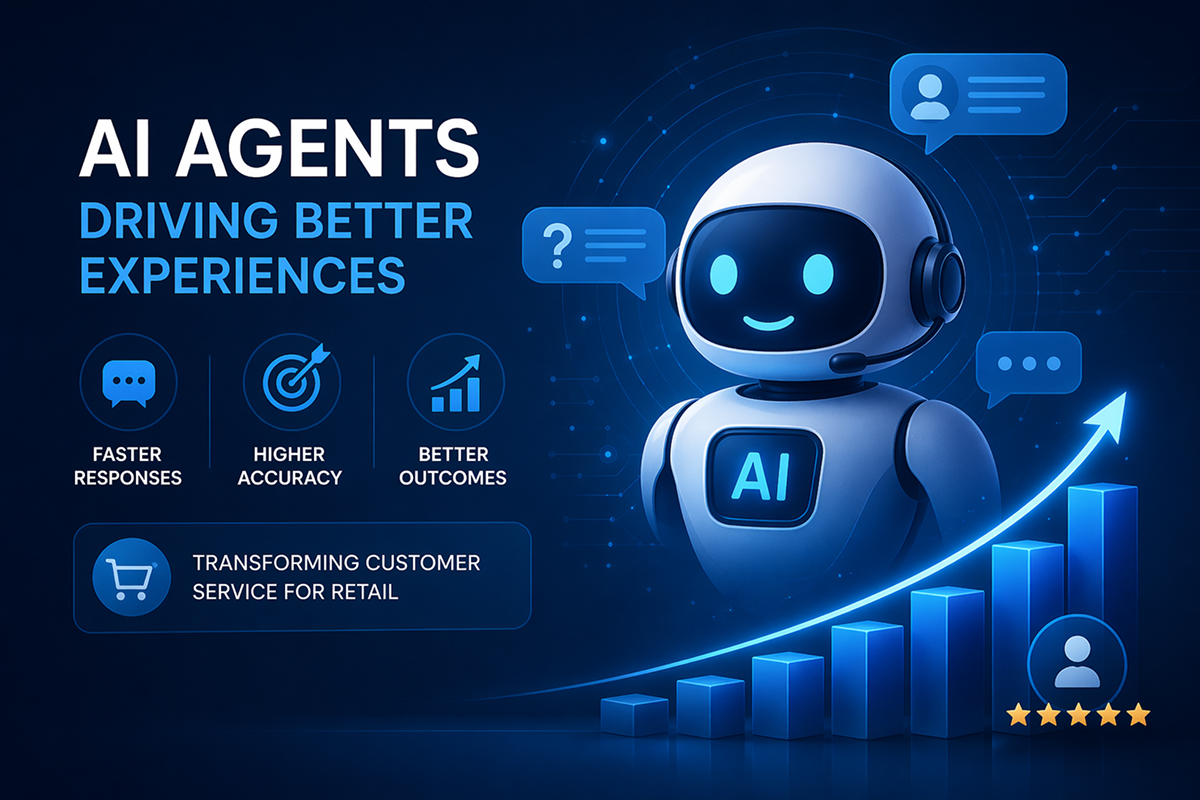
There’s a skyrocketing demand for AI agents as businesses strive to enhance customer experience and simplify operations. These agents are automating tasks that once needed manual labor, from natural language processing to deep learning. Indispensable? You bet. Just a few months back, we helped a retail client swamped with customer inquiries. Implementing a custom AI agent slashed response times and improved the accuracy of interactions. The results? Immediate and game-changing, setting new benchmarks in customer service.
Finding the right AI agent development company in Bangalore can be like hunting for a needle in a haystack. The thing is, you need a partner with the right expertise and to steer clear of common pitfalls that can sidetrack your AI projects. Even with a dense concentration of AI companies, there’s a notable shortage of skilled professionals, especially in data science and AI consulting. The rapid evolution of AI means constant upskilling, which isn’t happening quickly enough. This gap impacts project timelines and quality, necessitating educational reforms and industry-led training.
In our experience, finding developers with a thorough grasp of modern AI technologies is tough. Many companies resort to intensive training for new hires, but it takes time and resources that not everyone can afford. AI projects often stumble due to unclear objectives, bad data handling, and scalability hiccups. Misjudging resource needs can cause projects to balloon beyond budgets and timelines. Ignoring user feedback during development can also lead to solutions that miss the mark.
Avoiding these pitfalls? It requires meticulous planning and a flexible project management approach. In one recent e-commerce project, we found that inadequate data processing led to dips in prediction accuracy. By revisiting our data cleaning steps, we realigned objectives and delivered an AI agent solution that boosted sales forecasting accuracy dramatically.
Grasping the architecture of AI agent systems is crucial for any successful project. These systems need design with scalability and efficiency in mind.
An AI agent system usually includes parts like a data processing layer, a machine learning model, and a user interaction interface. The architecture should be modular, allowing for easy updates and scaling as data grows or system requirements shift. This design ensures robustness in managing large datasets and complex operations.
But what does modularity really mean? It’s about a setup where each component functions independently while communicating smooth with others. Developers can tweak or replace modules without disrupting the entire system. For instance, swapping a sentiment analysis module for a more advanced one without disturbing the rest of the application speaks volumes about this flexibility’s importance. The workflow of AI agents involves integrating various components smoothly. Data is ingested, pre-processed, and fed into machine learning models, with outputs interacting with user interfaces and other systems. This flow must be efficient to maintain low latency and high throughput, especially for real-time applications.
Integration challenges often arise when blending legacy systems with new AI tech.-prioritize API-driven designs. APIs allow different systems to communicate, enabling smooth integration with existing infrastructure. This approach worked wonders when we integrated an AI customer service agent with an old CRM system, resulting in a smooth user experience without the need for a complete tech overhaul.

So, how do you set up an AI agent system? Let’s walk through practical steps and best practices.
Embrace an iterative approach like Agile to accommodate changes and improvements. Ensure transparency in your model’s decisions, especially in sensitive applications. Implement a feedback loop to integrate user input and improve the system over time. We’ve discovered that consistent stakeholder engagement throughout development phases significantly enhances a project’s alignment with business needs.
Here’s a basic example of an AI agent using Python with a simple decision tree for classification.
from sklearn import datasets
from sklearn.tree import DecisionTreeClassifier
from sklearn.model_selection import train_test_split
from sklearn.metrics import accuracy_score

# Load dataset
iris = datasets.load_iris()
X, y = iris.data, iris.target

# Split dataset into training and test sets
X_train, X_test, y_train, y_test = train_test_split(X, y, test_size=0.3, random_state=42)

# Initialize the decision tree classifier
clf = DecisionTreeClassifier()

# Train the model
clf.fit(X_train, y_train)

# Make predictions
y_pred = clf.predict(X_test)

# Evaluate accuracy
accuracy = accuracy_score(y_test, y_pred)

print(f"Model Accuracy: {accuracy:.2f}")
This snippet uses the well-known Iris dataset and demonstrates how to train a decision tree model. The accuracy score gives a quick metric for evaluating the model’s effectiveness. For a production-level system, you’d refine further by tuning hyperparameters and perhaps using ensemble methods like Random Forest or Gradient Boosting for higher accuracy and robustness against overfitting.
The right technologies can make or break an AI project. consider some popular tools and frameworks used in AI agent development.
Python is the go-to language for AI development, with libraries like TensorFlow, PyTorch, and Scikit-learn leading the charge. For natural language processing, tools like NLTK and SpaCy are invaluable. for deployment, cloud services from AWS, Google Cloud, and Azure offer flexible solutions for hosting AI models. Containerization tech like Docker ensures application portability and consistency across environments.
Consider your project’s specific needs when picking a tech stack. Weigh factors like task complexity, data volume, and budget constraints. Open-source platforms can be cost-effective, while proprietary solutions might offer superior support and integration. For instance, TensorFlow Serving simplify deployment and integrates smooth with Kubernetes for orchestrating flexible setups.
We’ve often advised clients to balance modern technology and proven solutions, ensuring that the tech stack aligns with long-term goals rather than temporary trends. A strategic choice here can drastically cut down on development hurdles and future-proof the application.
Performance matters a lot in AI agents. You’ll need to assess several metrics to ensure your system meets its goals.
Latency, throughput, and accuracy are the holy trinity for evaluating an AI agent’s performance. Latency affects response speed, while throughput determines how many tasks it can handle at once. Accuracy measures reliability in delivering correct outputs. But don’t look at these in isolation. System resilience and uptime? Pretty important too, especially in business-critical apps where downtime can bring big losses.
Think back to last quarter when a chatbot was deployed by a Bangalore-based customer service company. Initially, its response time was 2 seconds per query, but after refining the workflow and optimizing models, they cut it to under 500 milliseconds. This shift was achieved by streamlining data processing pipelines and optimizing backend infrastructure for rapid data retrieval and processing.
In another project, optimizing database queries and employing caching techniques were key in boosting throughput by over 30%. These simple tweaks show the real impact that technical refinements can have on performance.
Mistakes in AI agent development? They happen. consider some common errors and how to dodge them.
One big mistake? Failing to properly preprocess data, leading to inaccurate models. Another is overfitting, causing poor generalization to new inputs. Developers often overlook the importance of detailed documentation throughout development. Inadequate version control and lack of structured testing phases are also culprits in project failures.
At PixlerLab, we’ve found that rigorous testing and validation processes help catch errors early. Regular peer reviews and code audits? They can identify potential issues before they’re a big deal. Maintaining an agile mindset is critical, adapting strategies based on real-time feedback and performance data. Adopting a DevOps approach by incorporating continuous integration and delivery pipelines can significantly simplify development workflows. so code changes are automatically tested, reducing the chances of bugs sneaking into production. And investing time in comprehensive documentation pays off long-term, serving as a valuable resource for onboarding new team members and troubleshooting issues.
AI agents are versatile, finding applications across various industries. Let’s explore some real-world scenarios where these agents shine.
In healthcare, AI agents assist with patient scheduling and diagnostics, improving efficiency and accuracy. AI-driven diagnostic tools analyze medical imaging or patient data to provide rapid, accurate diagnoses, significantly enhancing treatment outcomes. In finance, they’re used for fraud detection and personalized financial advice, helping businesses mitigate risks while enhancing user experience. By analyzing transaction patterns, AI systems can flag potential fraudulent activities, offering institutions a solid security layer.
One standout example is from a Bangalore-based telecom company that implemented AI agents to handle customer queries. Automating these interactions trimmed operational costs by 30% and improved customer satisfaction scores. Another is a retail firm using AI agents for inventory management, resulting in a 25% cut in overstock and better sales forecasting accuracy. Advanced demand forecasting models aligned inventory levels more closely with customer demand, optimizing both storage costs and supply chain efficiency.
These examples underscore AI agents’ potential to revolutionize traditional processes. By understanding specific industry challenges, AI solutions can be tailored to deliver impactful results that resonate with both business objectives and customer expectations.
An AI agent is a software entity that performs tasks autonomously using artificial intelligence. These tasks often involve interacting with users or other systems, making decisions, and learning from data to improve over time. Choosing an AI development partner involves evaluating their industry experience, technical expertise, and previous project success. Look for companies with a proven track record in delivering flexible and efficient AI solutions that align with your business goals.
The costs for AI agent development vary based on project complexity, data requirements, and technology stack. Pricing models can include fixed costs, hourly rates, or subscription-based services, depending on the engagement scope. AI agents can significantly improve business operations by automating routine tasks, enhancing customer service, and providing valuable insights through data analytics. They enable businesses to operate more efficiently and make data-driven decisions, leading to better outcomes.
AI agents can encounter challenges such as data privacy concerns, integration with existing systems, and maintaining accuracy over time. Continuous monitoring and adaptation are required to address these issues and ensure that AI agents remain effective in real-world applications.
Choosing the right AI agent development company in Bangalore is crucial for your AI project’s success. Understanding the architecture, implementation, and potential pitfalls of AI projects can set you on a path toward innovation and efficiency. It’s not just about deploying an AI solution; it’s about finding a partner who understands your vision and can translate it into a successful implementation.
At PixlerLab, we pride ourselves on staying at the forefront of AI technology and delivering solutions that exceed our clients’ expectations. We believe in the transformative power of AI and are committed to helping businesses harness this potential to drive growth and success.
Ready to explore AI development? Partner with PixlerLab for expert guidance and innovative solutions. Our team specializes in delivering custom AI services tailored to your business needs. Contact PixlerLab today to start your AI journey with confidence.
AI Agents
Jul 3, 2026
Discover remote AI agent developer jobs, essential skills, key responsibilities, and how to land a remote AI role.

AI Agents
Jun 10, 2026
Claude AI support playbook for Zendesk & Intercom with deflection, escalation, and CSAT benchmarks.

AI Agents
Jun 5, 2026
Learn how to develop AI agents using no-code tools, making AI accessible to non-coders.