
Discover what makes an AI development agency in Singapore stand out in the growing AI market.


AI software development is like unraveling a mystery-a complex maze of technology, precise data handling, and evolving design processes. It’s no wonder so many industries are diving into AI, hoping to grab its game-changing potential. But the actual costs of bringing these advanced systems to life often catch folks off guard. At PixlerLab, we’ve watched clients stumble over unexpected financial hurdles. Seriously. So let’s pull back the curtain on what truly drives costs in AI Development. And why is everyone so enamored with AI solutions anyway?
Table of Contents
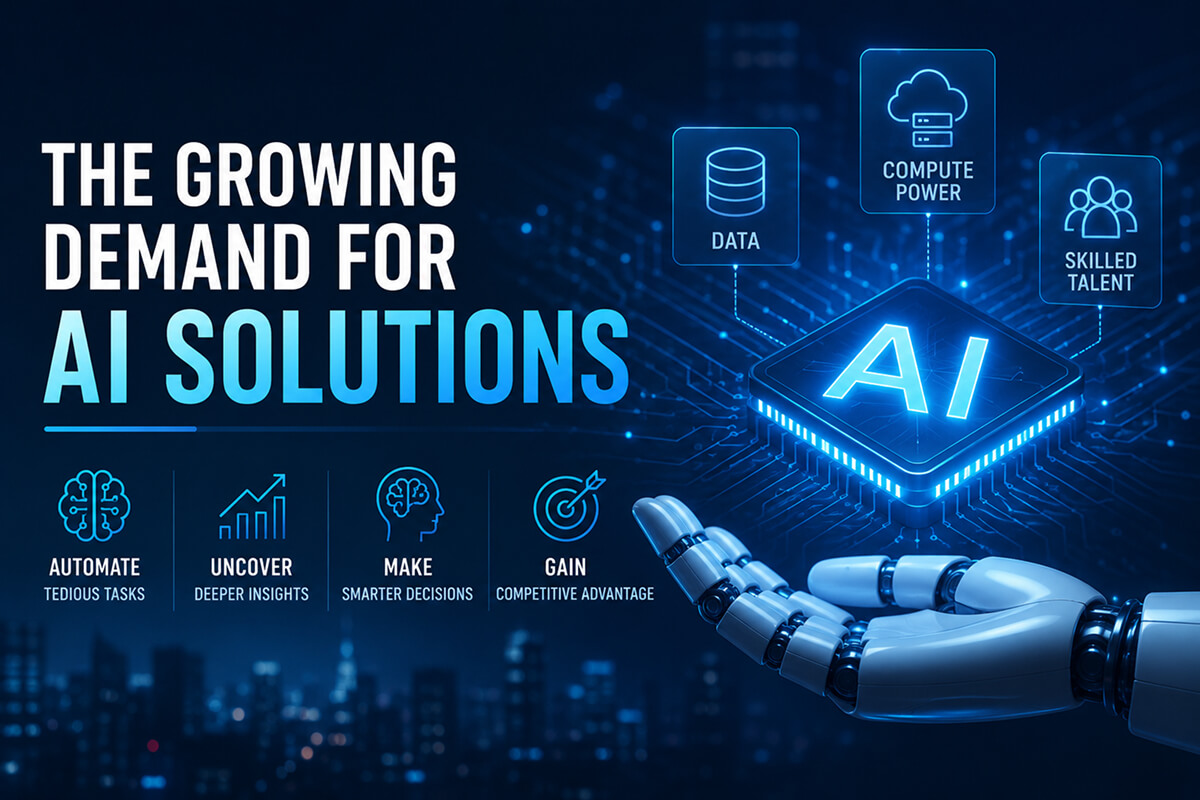
AI is weaving itself into everything these days, from chatty virtual assistants like Siri and Alexa to high-powered data analysis tools in business intelligence. The buzz? It’s all about automating the tedious stuff, uncovering insights you never dreamed possible, and making smarter decisions. But don’t be misled by the excitement-AI isn’t a bargain. Knowing what pushes these costs is crucial to keeping your project financially afloat.
In our experience at PixlerLab, AI projects demand significant investments in data, computing power, and skilled talent. These factors can really inflate budgets if not managed wisely. Automation and efficiency? Great, but they come with a price tag. Many businesses find themselves in a financial bind when they overlook the complexity and resources needed for AI triumph.
What’s fueling this AI frenzy? It’s the alluring promise of simplify operations and a competitive advantage. Companies are eager to revolutionize processes and wow customers with AI. But diving into this tech transformation means getting to grips with the costs involved. Trust me, it’s not just a walk in the park. Ever notice how AI projects end up overshooting budgets? It’s a common tale, leaving project managers in quite a pickle financially. A major culprit is undervaluing the complexity of these projects. Teams get dazzled by AI’s potential but miss the intricate details of its development. Sound familiar?
One frequent misstep in AI development is underestimating how complex these systems are. AI isn’t your run-of-the-mill software; it demands ongoing model training, data processing, and occasionally unexpected scaling adjustments. These elements can all hike up costs if you’re not keeping an eye on them. We’ve seen projects falter at PixlerLab because folks thought AI would cost the same as basic software. it’s not even close.
When tackling AI projects, remember they need an ironclad infrastructure and constant updates. Many businesses trip up right here. They might fund the initial setup but ignore the ‘hidden costs’ like ongoing data training, system integration, and post-launch support. These overlooked expenses can wreak financial havoc, possibly derailing the entire project.
So why does this misunderstanding linger? Partly because AI’s shiny newness blinds people to its long-term needs. Plus, lots of stakeholders simply lack experience with AI’s unique development cycle, leading to budget forecasts that fall wide of the mark.
Designing your AI system’s architecture can make or break your budget. A well-planned architecture keeps things humming along and directly impacts costs for development, maintenance, and scaling. Picking the right architecture? It’s about considering scalability, flexibility, and integration. A modular design can save money on future updates. Making smart choices here can help you dodge surprise expenses and keep things on the financial straight and narrow.
At PixlerLab, we’ve had a lot of success with the microservices approach. Why? It allows different parts of the AI system to work independently, providing flexibility in development and scaling. Microservices can cut downtime and increase resilience, which leads to cost savings. For instance, if one AI component requires an update, only that microservice gets tweaked, leaving the rest untouched. This not only speeds up development but also significantly slashes costs tied to colossal system overhauls.
But how can you tell which architecture fits your project? Think about your long-term goals. Need to scale fast? Need to integrate with existing systems or third-party apps? These questions can guide your architectural choices and help align your budget with your technical needs.
So, how do you roll out AI projects without busting the bank? Here are some savvy steps to manage costs effectively throughout your AI journey:
These strategies aren’t foolproof-not by a long shot-but they offer a framework to keep costs under control. At PixlerLab, we’ve woven similar methods into our workflows, sticking to budgets even in complex projects.
Check out this code snippet that shows cost efficiency in action. By optimizing resource use, you can significantly cut development time and costs: This model setup maximizes efficiency by using layers like BatchNormalization and Dropout to maintain performance while reducing complexity. It shows how focusing on simplicity can keep training costs low and performance high.
import tensorflow as tf

def optimized_model(input_dim, output_dim):
 model = tf.keras.models.Sequential([
 tf.keras.layers.Dense(64, activation='relu', input_shape=(input_dim,)),
 tf.keras.layers.BatchNormalization(),
 tf.keras.layers.Dense(32, activation='relu'),
 tf.keras.layers.Dropout(0.5),
 tf.keras.layers.Dense(output_dim, activation='softmax')
 ])

 # Compile with an emphasis on resource efficiency
 model.compile(optimizer='adam', loss='sparse_categorical_crossentropy', metrics=['accuracy'])
 return model

model = optimized_model(input_dim=100, output_dim=10)
# Assume 'train_data' and 'train_labels' are predefined
model.fit(train_data, train_labels, epochs=10, batch_size=64)
Your tech stack can make or break your AI software development costs. It’s about finding that sweet spot between open-source and proprietary solutions based on budget and needs. Open-source platforms like TensorFlow and PyTorch bring advanced features to the table without the licensing fees. They’re popular for their flexibility and robustness, making them a smart pick for budget-savvy projects.
However, proprietary solutions might offer more tailored AI features-at a higher price. Platforms like IBM Watson or Microsoft Azure ML provide powerful analytics and custom services that might justify the extra cost for some projects. When picking your tech stack, weigh the initial investment against long-term maintenance costs. Open-source options might seem cheaper up front, but the need for specialized staff can add indirect costs over time.
At PixlerLab, we’ve found success blending open-source and proprietary tools. This hybrid approach allows us to tailor solutions to client needs while keeping costs in check. For instance, mixing TensorFlow’s machine learning with Azure’s data management tools can build a balanced, cost-effective system.
Performance is vital in AI development, but let’s face it, it can get expensive. Balancing performance with cost efficiency requires some careful planning and execution.
To optimize performance without breaking the bank, focus on metrics like latency, throughput, and resource use. Adjusting cloud resources based on real-time demand can save a bundle. At PixlerLab, we ensure resources are efficiently allocated, cutting operational costs. Another trick is using serverless architectures when it makes sense. This can lower costs by charging only for compute power when your app is running, not for idle servers.
Trade-offs are part of AI development. Sometimes, a slight dip in performance can mean massive cost savings. For example, choosing a slightly slower model that uses less processing power can save thousands in cloud fees. Ultimately, managing performance-related costs means setting clear priorities. Not every AI function needs top-tier performance, and knowing where to compromise can lead to more sustainable financial planning.
Budget overruns are a common story in AI projects. Avoiding them requires both awareness of pitfalls and strategic planning. Many developers don’t account for integration costs or underestimate ongoing model training and maintenance expenses. Not setting aside funds for unexpected issues? That can leave a project financially stranded.
A frequent mistake is underestimating data acquisition and preprocessing costs. Raw data often needs cleaning and organizing before it’s AI-ready, a process that’s time-consuming and costly if not planned for. Another pitfall is ignoring AI infrastructure maintenance costs. Cloud solutions offer scalability, but at a recurring expense. Without understanding usage patterns, organizations can overspend on cloud services.
Finally, neglecting staff training costs can be harmful. AI tech evolves rapidly, and keeping a skilled workforce is crucial for project success. Budgeting for training needs can prevent skill and budget gaps. AI projects span various industries, each with unique budget challenges and successes. consider a few use cases that highlight effective cost management strategies in AI development.

Consider an AI app for diagnostic imaging in healthcare. Initially, the project faced cost overruns due to underestimated data processing needs. By switching to a flexible cloud solution, the hospital sliced costs significantly while boosting system responsiveness. They also fine-tuned their algorithms with machine learning, achieving a better ROI.
In another case, AI was used in a financial institution for fraud detection. Costs skyrocketed due to high data processing volumes. By adopting a hybrid cloud approach, using both public and private clouds, the institution optimized costs and improved processing speed.
These examples show the importance of strategic budgeting and adaptive project management in AI development. They illustrate how understanding both technology and cost-saving strategies can lead to successful, financially sustainable AI projects. The average cost of AI software development can vary widely, typically ranging from $50,000 to $300,000. This depends on the complexity of the project, the chosen technology stack, and the resources required. Factors such as the project scope and desired features significantly influence the final price.
Reducing AI development costs involves adopting open-source tools, implementing agile project management, and using flexible cloud solutions. Keeping a lean development team and prioritizing essential over optional features can also help maintain a lower budget. Hidden costs in AI projects often include data acquisition, system integration, unforeseen scalability needs, and ongoing maintenance. Identifying these potential expenses early in the planning phase is crucial to prevent budget surprises later on.
AI projects frequently exceed budgets due to underestimating the complexity and scope of the development process. Mismanagement of resources, inadequate planning for data processing needs, and unforeseen scalability requirements also contribute to budget overruns. The best technology stack for cost-effective AI development generally combines open-source platforms like TensorFlow or PyTorch with flexible cloud services such as AWS or Google Cloud. This blend offers a balance of functionality, flexibility, and affordability, enabling efficient cost management throughout the project’s lifecycle.
Understanding AI software development costs is about more than just crunching numbers. It requires strategic planning, smart tech choices, and awareness of potential pitfalls. By managing these elements thoughtfully, companies can execute successful AI projects without blowing their budgets. At PixlerLab, we emphasize informed decision-making to keep projects both effective and financially viable.
Strategic planning is your ally in AI development. With the right insights and expert guidance, you can navigate the complexities of AI costs more effectively.
Are you ready to explore how AI can enhance your business? Partner with PixlerLab for expert AI development solutions tailored to fit your budget. Our team is ready to help you achieve cost-effective and impactful AI implementations.
Contact us today to explore our AI solutions and consultation services, designed to maximize your investment and ensure your project’s success.
Claude Development
Jul 23, 2026
Discover what makes an AI development agency in Singapore stand out in the growing AI market.

Claude Development
Jul 1, 2026
Explore leading generative AI development agencies in the USA, their services, and success stories.

Claude Development
Jun 29, 2026
Model Context Protocol : what it replaces, how it speeds AI MVPs, & production-ready integrations today.