
Fast, findable and maintainable, or it does not really count as shipped.
Six things our web builds have had to prove in production. Every figure links to the write-up it came from.
Whole platforms, not just pages
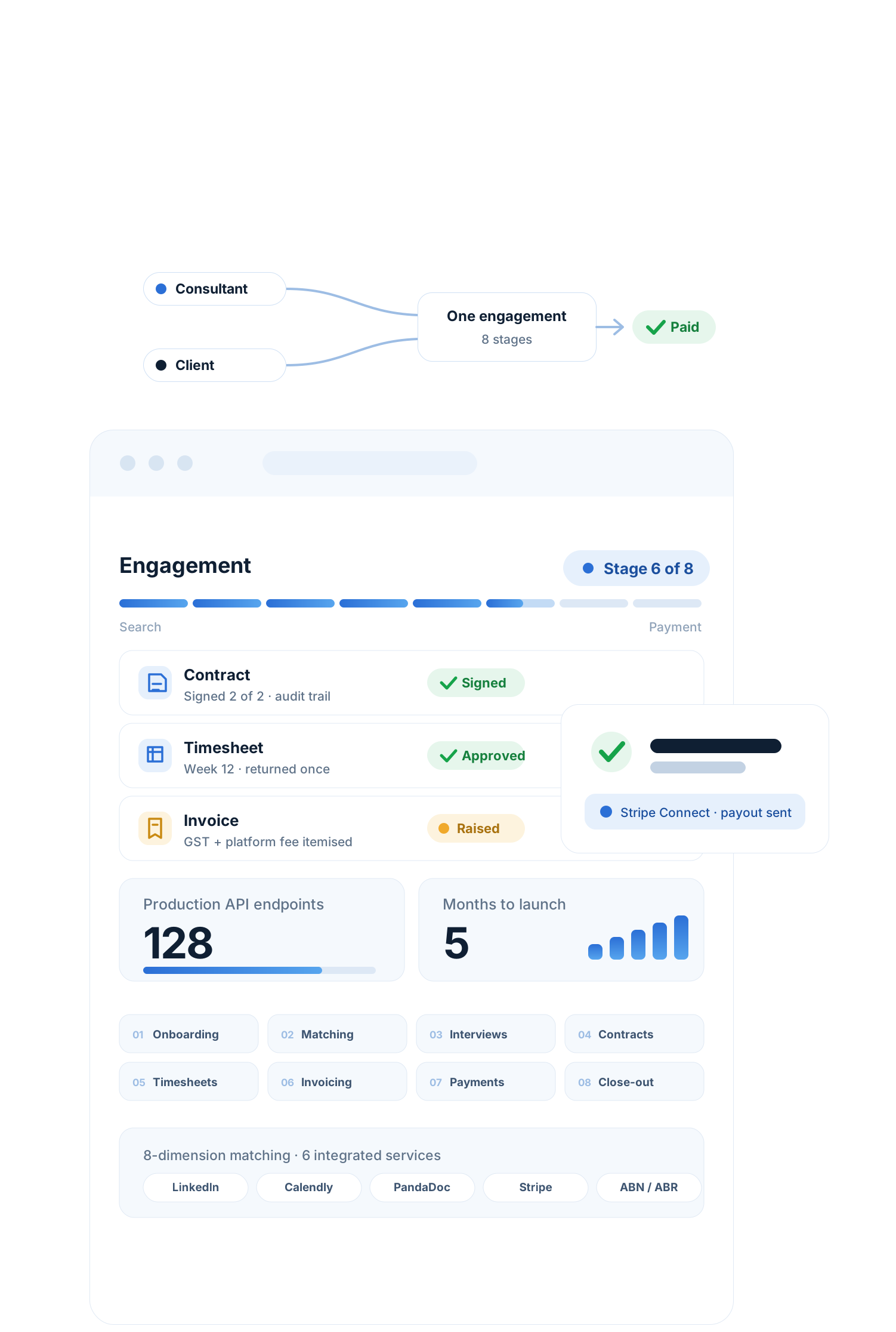
Search, proposals, contracts, milestones and payouts as one unbroken chain, rather than five disconnected tools with a spreadsheet between them.
5 monthson work priced at nearly a yearDelivered against a real quote
667 commits, every AI-assisted change arriving with a specific file, a specific line and a stated reason. Auditable rather than merely fast.
3Xfaster browsing experienceSpeed users can feel
Performance is a design and architecture problem before it is an optimisation pass. It gets decided in week one or it does not get decided.
3clients served by a single backendOne API, every surface
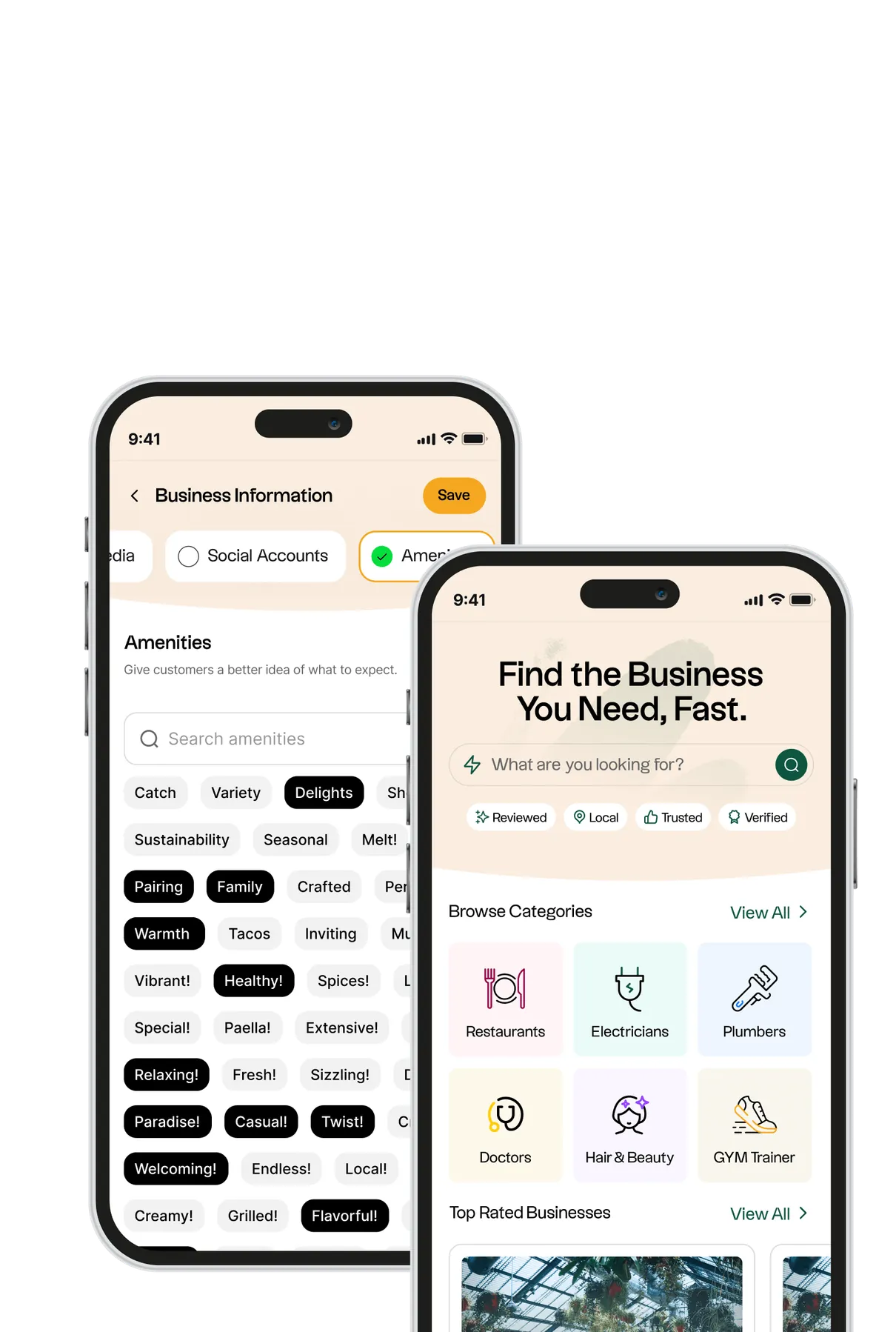
Web, admin and mobile off one contract. Defined once, tested once, changed once.
16distinct roles on one policy layerRoles that scale
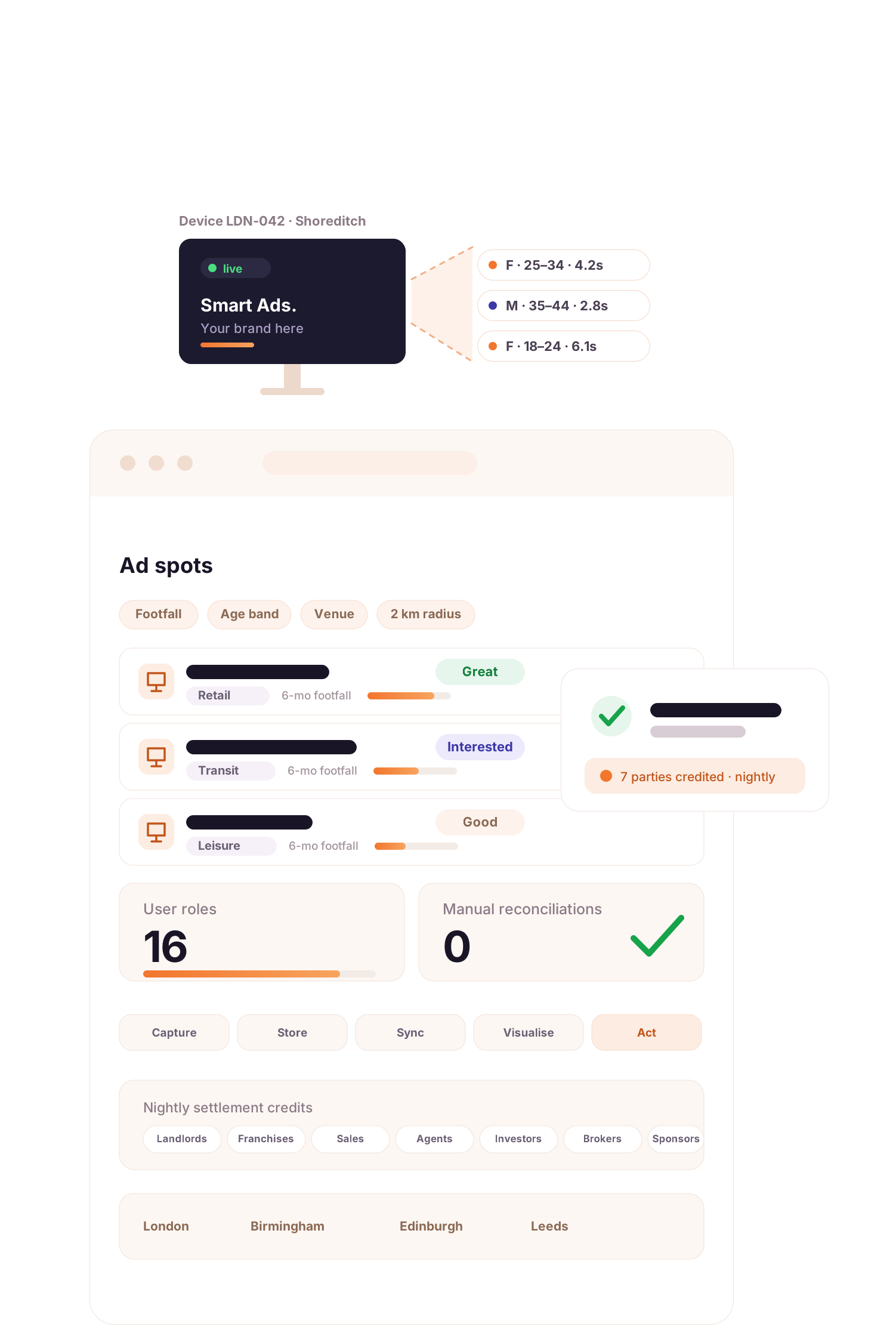
Sixteen kinds of user behind a single permission model, which is the difference between a platform and a growing pile of special cases.
100%design and development, no handoffsBuilt in-house
Designers and engineers on the same team, so the built page matches the design instead of approximating it.

Five kinds of build, and what each one has to get right.
Marketing & Brand Sites
Fast pages, clean markup, and a content model your marketing team can actually use without calling us.
The content modelWeb Applications
Auth, roles, state and the unglamorous middle — the parts that decide whether it is still maintainable in a year.
The data modelMarketplace Platforms
Two sides, the matching between them, and money moving with real obligations attached to it.
The payment flowE-commerce & Storefronts
Catalogue, checkout, and the performance budget that quietly decides whether people finish buying.
Time to first byteHeadless & Integrations
A CMS or commerce backend behind a front end you control, plus the APIs the rest of the business already runs on.
The integration surfaceWhat a web build we ship is made of.
- 01StackWhat it runs on
Chosen for the product and for whoever maintains it after us, not for novelty. Usually React or Next.js on the front with PostgreSQL behind it, and Laravel where a project calls for it.
- 02Data modelThe shape underneath
Decided before the sprint, because retrofitting tenancy or a permission model into a live product is the expensive kind of rework.
- 03PerformanceThe budget, set early
Image strategy, bundle size and reserved layout space designed in from the start. GreenHub's 3X came out of architecture, not a last-week optimisation pass.
- 04SEOWhether anyone finds it
Server-rendered markup, real metadata, structured data and a sitemap that reflects the site. Treated as build work rather than a plugin bolted on at the end.
- 05IntegrationsWhat it talks to
Payments, CRM, CMS and internal APIs, each one scoped and authenticated, with the error paths written down rather than discovered in production.
- 06HandoverWhat you own at the end
Documentation, infrastructure access and a codebase your own team can extend. The build is not finished while it still needs us.
Why Our Builds Stay Fast
Three decisions, each one made early because it cannot be made late.
Performance is architecture, not an optimisation pass
3X faster browsingRendering approach, image strategy and layout stability get decided in the first week. GreenHub's 3X faster browsing came out of a new UX architecture, not out of compressing assets at the end. A last-week optimisation sprint is what you do when the early decisions went wrong.
One API contract, every surface
16 roles · 1 APIHadsUp serves web, admin and mobile from a single Laravel API, and PowrMatch carries eight stages of an engagement on one model. Defining the contract once means a change is made once and tested once, instead of three times and inconsistently.
Built to be handed over
667 commits in 5 monthsEvery AI-assisted change on PowrMatch arrived with a specific file, a specific line and a stated reason, which is what makes 667 commits in five months auditable rather than alarming. You should be able to keep going without us, and the documentation and access exist so that you can.
Frequently Asked Questions.
What technologies do you build with?
Most of our front-end work is React and Next.js with TypeScript, backed by PostgreSQL. We also work in Laravel where a project calls for it-HadsUp runs on a single Laravel API serving web, admin and mobile. We choose the stack for the product and for whoever maintains it after us, not for novelty.
Will the site be fast and SEO-friendly?
Yes, and both are treated as build work rather than a later pass. That means server-rendered markup, real metadata and structured data, an image strategy set in the first week, and reserved layout space so pages do not shift as they load. GreenHub's 3X faster browsing came out of architecture decisions made early, not an optimisation sprint at the end.
Can you work with our existing site or codebase?
Yes. We take on redesigns, rescues and incremental rebuilds as well as new builds. We start with an audit of what is actually costing you users or maintenance time, and we will tell you honestly if a rebuild works out cheaper than a repair.
How long does a web project take?
A marketing site is typically 3-6 weeks. A web application or platform is usually 2-5 months depending on roles, integrations, and whether money moves through it-PowrMatch, a full two-sided marketplace with payments and milestones, took five months. We scope properly before quoting, and whatever is out of scope gets written down.
Idea in your head? Let’s
bring it to life.
Got a project? A wild idea? Or just want to say hey?
We're here for all of it — reach out anytime.